Showing posts with label diet. Show all posts

2 Must-Read Muscle Building Books to Add to Your Library

You Need to Read for Optimal Muscle Growth 

It’s widely understood that personal growth and development is critical for success in most areas of our life. This is true in our pursuit of an impressively muscular physique.

However, there is so much information, and let’s be honest, misinformation on social media, blogs and even in our gyms and locker rooms when it comes to the most optimal way to build muscle tissue. 

In recent years, there has been an abundance of scientific research and literature that addresses the topics that many aspiring, intermediate and advanced bodybuilders crave. The topic that I’m referring to is how to develop a lean, muscular physique. 

I've extensively detailed the contents of this post in What Are Considered Big Arms: The Ultimate Guide for Building Big Arms where you'll learn what are considered big, muscular arms and discover proven workouts based on updated science and methods to add inches to your arms that will make people notice.  

Outdated Science

In previous years and decades, a lot of data and literature was supported by supplement manufacturers and fitness magazines such as Flex, Muscle & Fitness and Muscle Media. While some of the principles developed and endorsed by legendary bodybuilding marketer Joe Weider remain effective in building muscle mass, much of the so-called science hasn’t stood the test of time.

For those of us who are constantly pursuing the development of muscular strength and size, it is crucial to stay up to date on the latest science and research in the field of sports science, strength training and nutrition. 

The Excitement of Learning New Muscle Building Information 

Learning new techniques, strategies and tools to build an exercise program for maximum muscle development is always exciting. Sometimes the best part is discovering the latest science as it pertains to training and dieting for fat loss and muscle building. 

In order to keep ahead of the competition, whether it’s gym-level, friendly competition or on a legitimate bodybuilding stage, you need to understand what works and why and uncover common myths and fallacies in the world of bodybuilding training and nutrition. 

Two Must-Read Muscle Building Books: My Recommendations 


You'll see that I recommend a book focusing on a the scientific approach of muscle building through training and program design and implementation. 

I also recommend a book, also written by experts at Renaissance Periodization, that specifically address the dietary requirements of dieting for muscle building, fat loss and athletic performance. 

Scientific Principles of Hypertrophy Training  

"Scientific Principles of Hypertrophy Training" delves into the science behind muscle hypertrophy, or muscle growth, providing a comprehensive guide for you to maximize your muscle growth and strength gains through evidence-based training methods. 

The text is written by a group of experts in the field including competitive bodybuilder and sports physiologist Dr. Mike Israetel, recovery expert Dr. James Hoffman, Neuroscientist Dr. Melissa Davis and IFBB professional bodybuilder Jared Feather. 

The Key Principles to Maximize Muscle Growth 

"Scientific Principles of Hypertrophy Training" is eloquently written and contains well-researched, documented in-depth information that is easy to digest and understand.  The book focuses on several important principles of building muscle. 

Muscle Physiology 

The book begins by explaining the fundamental principles of muscle physiology, including muscle fiber types, muscle contraction, and the biological mechanisms that drive muscle growth. 

Training Variables 

It discusses the critical training variables that influence hypertrophy, such as volume, intensity, frequency, and exercise selection. Readers will gain insights into how to manipulate these variables effectively. 

Nutrition and Recovery

The book emphasizes the importance of nutrition and recovery strategies in supporting muscle growth. It covers topics like protein intake, calorie surplus, and optimal sleep and rest practices. 

Program Design 
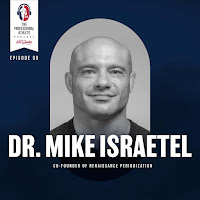
Dr. Mike Israetel

Readers will learn how to design hypertrophy-focused training programs tailored to their individual goals, whether it's bodybuilding, strength training, or athletic performance enhancement. 

Progressive Overload

The concept of progressive overload is explored in depth, detailing how to continually challenge muscles to promote growth over time. 

Periodization

The book introduces the concept of periodization, explaining how to structure training cycles for long-term progress and prevent plateaus. 

Monitoring and Assessment

It discusses methods for tracking progress, assessing muscle growth, and making data-driven adjustments to training and nutrition plans. 

Common Mistakes and Myths

The authors debunk common misconceptions and myths about hypertrophy training, helping readers
avoid pitfalls and focus on what truly works. 

"Scientific Principles of Hypertrophy Training" is a valuable resource for muscle enthusiasts, athletes, and trainers seeking to optimize their muscle-building efforts based on the latest scientific research and evidence. 

By understanding the underlying principles of hypertrophy, readers can develop more effective training strategies and achieve their muscle building goals efficiently and optimally. 

My Personal Endorsement 

I’ve stated many times in my published content, talks and training sessions that "The Scientific Principles of Hypertrophy Training" is the most comprehensive, relevant and applicable text that I’ve read to date on the topic of optimizing muscle building through effective program design and execution.

 Get your copy of "Scientific Principles of Hypertrophy Training" at Amazon here. (affiliate link)

The Renaissance Diet 2.0 

"The Renaissance Diet 2.0" is a nutrition and fitness book authored by the crew over at Renaissance Periodization: Dr. Mike Israetel, Dr. Melissa Davis, and Dr. James Hoffmann. 

"The Renaissance Diet 2.0" is a comprehensive and updated guide to nutrition and dieting, designed to help individuals achieve their fitness and physique goals through a scientifically-backed approach.

Building on the success of the original Renaissance Diet, this updated version incorporates the latest research and practical insights into the art of nutrition and diet planning. 

Key Elements of a Muscle Building Diet 


Macro-Cycle Dieting 

The Renaissance Diet emphasizes the importance of macrocycle dieting, which involves strategically cycling your macronutrient intake (carbohydrates, proteins, and fats) to align with your training phases and goals. It explores how to adjust your nutrition for muscle gain, fat loss, or maintenance. 

Micro-Cycle Dieting 

 The book discusses the concept of micro-cycle dieting, which involves making daily adjustments to your nutrition based on your training intensity and activity levels. This fine-tuned approach helps optimize performance and recovery. 

Flexible Dieting 

"The Renaissance Diet 2.0" promotes flexible dieting, which allows individuals to enjoy a variety of foods while still meeting their nutritional targets. It provides guidance on tracking macros, portion control, and making smart food choices. 

Nutrient Timing 

The book covers the significance of nutrient timing, including pre-workout and post-workout nutrition, to maximize training performance and recovery. 

Supplements 

The text offers insights into the role of supplements in supporting fitness goals and provides recommendations for when and how to use them effectively. 

Training Integration 

The authors highlight the synergy between nutrition and training, emphasizing that a well-structured diet is essential to achieving optimal results in the gym. 

Scientific Foundation 

Throughout the book, the authors draw on scientific research to support their recommendations, ensuring that readers have a solid understanding of the principles behind their dietary choices. 

"The Renaissance Diet 2.0" is a practical resource for athletes, bodybuilders, physique enthusiasts, and anyone interested in a science-based approach to nutrition and diet planning.

It provides readers with the tools and knowledge they need to customize their diets according to their individual goals, training phases, and preferences, making it a valuable resource for achieving and maintaining a healthy dietary lifestyle with an emphasis on muscle building. 

My Personal Endorsement 

In my decades of study, training and personal and professional development as a certified personal trainer, fitness coach and weight management specialist, I have never read such an informative muscle building diet book that can be easily understood by the lay person while covering complex principles in simple language. 

Get your copy of "The Renaissance Diet 2.0" at Amazon here. (affiliate link)

Conclusive Recommendation 

In your quest for optimal muscle growth and development, it's essential to navigate through the sea of information, and sometimes misinformation, surrounding fitness and bodybuilding.

To help you stay informed and ahead of the competition, I strongly recommend these texts that provide invaluable insight into the science and art of muscle development. 

Both of these books offer valuable and practical guidance that will help you on your  journey to achieving optimal muscle growth and maintaining a healthy dietary lifestyle. Whether you're a beginner or an experienced fitness enthusiast, these resources are essential additions to your library. 

Please note that I may receive a monetary commission if you make a purchase from any of the affiliate links that I've included in this post. 

Also Read:

The Science of Building Big Arms: A How-To Guide

A Fitness Coach's Editorial: Exercise Technique at the Commercial Gym

How to Make Your Arms Look Bigger and More Muscular in a Photograph

References:

1. Schoenfeld, B. J., Ogborn, D., & Krieger, J. W. (2017). Effects of resistance training frequency on measures of muscle hypertrophy: A systematic review and meta-analysis. Sports Medicine, 47(5), 757-765. This meta-analysis explores the impact of resistance training frequency on muscle hypertrophy, which is an important consideration in periodization.

2. Schoenfeld, B. J. (2010). The mechanisms of muscle hypertrophy and their application to resistance training. Journal of Strength and Conditioning Research, 24(10), 2857-2872.This review article discusses the physiological mechanisms underlying muscle hypertrophy and how they relate to resistance training, which is a key factor in periodized training programs.

3. Helms, E. R., Aragon, A. A., & Fitschen, P. J. (2014). Evidence-based recommendations for natural bodybuilding contest preparation: Nutrition and supplementation. Journal of the International Society of Sports Nutrition, 11(1), 1-20. This paper provides evidence-based recommendations for nutrition and supplementation during bodybuilding contest preparation, which includes aspects of dietary periodization.

4. Kerksick, C. M., Wilborn, C. D., Roberts, M. D., Smith-Ryan, A., Kleiner, S. M., Jäger, R., ... & Kreider, R. B. (2018). ISSN exercise & sports nutrition review update: Research & recommendations. Journal of the International Society of Sports Nutrition, 15(1), 1-57. This comprehensive review discusses various aspects of sports nutrition, including how nutrition can be periodized to support muscle building and exercise performance.

3 Major Fat Loss Myths That Will Sabotage Your Results

3 Weight Loss Myths
Weight loss myths are everywhere you look and they can be detrimental to your health as well as the goals you have set for yourself. It is necessary to take the beliefs you have about losing weight and turn them in your favor. 

Don't fall victim to information that will stand in the way of your fitness progress. 

In recent years, so-called fitness influencers, self-proclaimed experts and everyday gymgoers have been spreading weight loss fallacies that have set millions of people back in their weight loss journeys. 

Here I will highlight three major weight loss myths that will sabotage your results.  

Myth #1: Willpower is the Most Important Weapon in the Fight to Weightloss 

It is a commonly held belief that when it comes to losing weight and resisting the temptation to eat everything in sight that it is simply a matter of willpower. While willpower, motivation and discipline, do play a role in whether or not we are able to be successful in our weightloss efforts, there are plenty of other factors at work as well. 

Our body composition is based on a variety of factors, such as genetics, the culture we live in, our home and work environments, our lifestyle choices, our medical history, our attitude towards food and the condition of our health, including any health problems we have.

If you leave everything up to your willpower then you are likely to fail at the weight loss game. 

In fact, willpower and sticking to a fat loss diet is often what people struggle with most. In human psychology, there is a multi-layered construct to habit building. Early stages of habit building include inspiration and motivation, as described in Evidence-Based Habit Building: Finally Get Sh*t Done

Understand that your brain adapts when it experiences a change in thinking and behavior. You can improve your self-worth, wellbeing and ability to make positive lasting changes by harnessing neuroplasticity.

The good news in all of this is that eating a mostly nutritious diet on a consistent basis and regular exercise can help you overcome the barriers that may seriously interfere with your weightloss efforts.

Myth #2: Being Strict and Depriving Yourself is the Fastest Way to Weightloss  

If you choose a strict diet that severely limits the types and quantities of foods you eat, such as eliminating carbs or fats, your weightloss is at risk of stalling, or even reversing. 

This is also unhealthy as your body needs a number of different vitamins, minerals and nutrients and it can only get these from a variety of food choices. Strict, long-term dieting is generally not the most effective means of losing weight and it likely won't work for most people. 

It's okay to allow yourself a treat occasionally as long as you are eating slightly fewer calories than you burn on a daily basis. Deprivation will get you nowhere.

The simplicity of effective fat loss diet structuring is detailed in The Renaissance Diet 2.0: Your Scientific Guide to Fat Loss, Muscle Gain and Performance

By far this is the most comprehensive, easily understood book on structuring nutrition for optimal fat loss and muscle building that I have read to date. 

Myth #3: Eating Foods Late at Night is More Likely to Pack on the Pounds

This is a common myth that is believed by many. The truth is that if you consume more calories on a daily basis then your body requires, the excess will be stored as fat. The opposite is also the case -- if you take in fewer calories than you burn then you will shed pounds.

For this reason, the time of day you eat does not really matter so much as how much you eat and how much fat you burn through physical activity. 

In fact, it's rarely advisable to go to bed hungry, as this may prevent you from having a sound sleep. After all, you are fasting while you sleep.

That is what breakfast the following morning- break the fast- is all about. Generally speaking, eating something like a bit of slow digesting protein and a small amount of carbohydrates an hour or two before bed will likely help you sleep better. 

These three weightloss myths are just a few of the commonly held beliefs that exist in diet culture. Don't fall prey to misinformation that will halt your progress and set you back. And remember, the process of periodization for fat loss is a sound approach to losing weight and keeping it off. 

*Please note that if you purchase the products from the Amazon links that I've included above, I may receive a small monetary commission. 

Required Reading

Your Fat Loss Plan Simplified

Overcome Self-Sabotage for Fat Loss Success

Powerful Fat Loss Principles Revealed: ACTS Model for Busy Professionals

Your Fat Loss Plan Simplified

Fat loss dieting is quite simple, and it does not need to be a major challenge. In fact, when done right, weight loss motivation can remain high, you can eat tasty food and still have energy to perform well at work, school and in athletics.

Weight Loss Motivation Made Simple

Motivation and sticking to a fat loss diet is what people struggle with most. In human psychology, there is a multi-layered construct to habit building. 

Early stages of habit building include inspiration and motivation, as described in Evidence-Based Habit Building: Finally Get Sh*t Done

If you understand this concept of evidence-based habit building, the odds are good that you will develop habit and routine that will propel your fat loss and weight loss efforts to maximizing your chance of success. 

When you apply the principle of periodization for weight loss, you can enjoy tasty food, occasionally eat junk food and still reach your long term fat loss goals. 

Periodization simply means setting up periods of dieting over a set timeframe. This allows you to lose fat, keep or build muscle, stay motivated and energized and enjoy holidays and special occasions without guilt. 

Here is an example of a fat loss periodization timeframe:

January through March – Fat loss diet

April through May – Maintain and enjoy lower bodyweight

May through June – Fat loss diet

June through August – Maintain and enjoy even lower bodyweight 

August through October – Fat loss diet

November through December – Maintain and enjoy lowest bodyweight yet 

Implementing a fat loss plan that looks something like this allows you to build fat loss periods around holidays, vacations and special occasions. As such, you aren’t continuously dieting, feeling guilty and depriving yourself. 

This is a proven strategy that increases long-term weight loss success, keeps motivation high and reduces diet discomfort. 

Your Guide to Successful Fat Loss

Renaissance Diet 2.0 Book Image

The Renaissance Diet 2.0 is a book that goes into detail about diet periodization for fat loss, muscle building and athletic performance. It is not a fad diet, scam or sales pitch. It is an up-to-date, science-based text that explains evidence-based concepts in detail to maximize your odds of diet success.

Some of the topics discussed in the book include, but are not limited to:

·         Diet Priorities

·         Calorie Balance

·         Nutrition Periodization

·         Hunger Management

·         Designing Your Diet

·         Diet Fads and Fallacies 

Your Fat Loss Results 

No matter what your diet history, body composition, knowledge or experience, you can absolutely achieve your weight loss goals. 

To increase your odds of maximum fat loss, your goals should be:

·         Specific

·         Measurable

·         Attainable

·         Realistic

·         Time-bound

Then you’re ready to go!

You Make The Fat Loss Happen

However, it is important to understand up front that you have to apply these principles and strategies. Just knowing them is not enough. You also have to be okay with a slower rate of fat loss than may be desired. But that doesn’t mean that the results will not be noticeable. 

It is possible to lose one, two, three or even four or five pounds of bodyweight per week, especially when first starting a fat loss diet. Weightloss does stabilize and you can see rate of weight loss of a pound or so of pure bodyfat loss per week for weeks.

The end result may be as much as 12 – 20 pounds of fat loss over the course of a few months.

Weight Loss Scale
Once you’ve achieved that initial goal and you’re ready to go back to normal eating, you cruise at your new, lower bodyweight for a couple of months. Then, if you feel like you have more fat to lose, do another fat loss diet phase for a couple of months for another 10 or so pounds of pure fat loss

If you do this a few times over the course of a year or two, you can lose a significant amount of bodyweight, most of which could be bodyfat. 

It’s slower than a crash, restrictive diet but you can see consistent improvements in your appearance, confidence, energy and health. And you are far more likely to maintain your lower bodyweight for a very long time. 

The Esteemed Authors

The authors of the Renaissance Diet 2.0 are expert seasoned health and fitness coaches, PhD’s and scientists. They are athletes and live the lifestyle that they teach. The authors include Dr, Mike Israetel, Dr. James Hoffman, Dr. Melissa Davis, Dr. Jen Case. 

My Fat Loss Diet Book Recommendation 

Simply stated, The Renaissance Diet 2.0 is by far the most comprehensive, up-to-date text on diet structure and guidance that I’ve read to date. The motivation to design and execute a fat loss, muscle, building or athletic performance improvement alone is worth the read.

I’m not just recommending the book because I may receive a small commission if you purchase it through my Amazon links in this article. I truly believe in and back the information provided within and fully support the mission of the authors.

I could (and have) recommended other diet and exercise books and I put this on the top of my list when it comes to superior experts advice of this nature. 

Also Read

Powerful Fat Loss Principles Revealed: ACTS Model for Busy Professionals

7 Reasons Not To Skip Today's Workout

Overcome Self-Sabotage For Fat Loss Success

Overcome Self-Sabotage For Fat Loss Success

Self-sabotage picture
Fat loss self -sabotage occurs when people consistently think of themselves as not able to succeed on their fat loss diet or exercise program.

 This may lead them to develop an identity that causes them to sabotage themselves every time they have a chance to succeed at fat loss. 

This is not a conscious activity, so it is very confusing to the person who has this problem. This often happens because of a pattern of thoughts or behaviors that solidify negative emotions and thought processes. 

In turn, some common thoughts reveal themselves:

  •  I'll start a fat loss diet or exercise program but I won't finish it.
  •  I'll always stop before I reach my fat loss goal. 
  •  I will never be successful at losing fat. 
  •  When things are going well, they will ultimately go bad. 
Do you ever think like this? If so, you're not alone. Lots of people do. This attitude can be changes. It'll take some work, but you can do it. 

Here’s how people succeed at fat loss:

  • They complete their fat loss diet or exercise plan. 
  • If they slip up on their diet, they don't punish themselves about it.
  • They learn from their mistakes and see the mistake as a learning experience. 
  • They take the time to notice and celebrate their fat loss milestones along the way.

Complete Your Fat Loss Diet or Exercise Program

One main way to identify a fat loss self-saboteur is that this person never completes diet or exercise program.

Self saboteurs get distracted or bored or even forget about their fat loss goals. They change exercise programs frequently and won't commit to a fat loss diet that actually works. 

renaissance diet 2.0 book cover
They're often motivated at the beginning but getting bored along the way. This has a negative impact on self-confidence. 

If this is a problem for you, counteract it by completing each phase of an effective fat loss program before changing up your plan. 

The simplicity of effective fat loss diet structuring is detailed in The Renaissance Diet 2.0:
Your Scientific Guide to Fat Loss, Muscle Gain and Performance

By far this is the most comprehensive, easily understood book on structuring nutrition for optimal fat loss and muscle building that I have read to date. 

Develop Willpower

Because of a lack of self-confidence, some fat loss dieters quit soon after starting their weight loss program. If you are a person who often quits in the middle of a fat loss diet, recognize that and remind yourself that you are able to persevere in the face of diet challenges.

People who successfully complete an effective fat loss diet typically believe in their own capabilities, overcome diet challenges, and refuse to quit. Every time you push through, complete your fat loss diet and reach your weight loss goals, your willpower and confidence becomes stronger.

 As you see yourself overcoming self-sabotage, you will begin to develop a more optimistic attitude and realize that you are able to achieve real fat loss success. 

Flexibility: Make the Most of the Best Tools

Ladder against wall picture
Did you ever hear the story about the guy who climbed all the way to the top of the ladder and then found it was perched against the wrong building? 

Do you know people like that? Are you one of them? It's possible that we all feel like we’re that person in some situations, especially when it comes to dieting. That's why flexibility is so important in our quest for successful fat loss.

Flexibility is the awareness that, even as a busy adult, you have options and the ability to use the most successful fat loss strategies available.

Call it rigidity or call it pride, but there's something in human nature that makes us continue in situations past when we should have given them up. We have a tendency to like to do things the way we’ve always done them, even if our efforts have been less than fruitful.  

Flexibility in your pursuit for fat loss includes being open minded about solutions to your fat loss challenges. This sometimes requires a person to trust fitness authorities, trainers or coaches to help establish the most effective fat loss plan.   

As you move toward developing your successful fat loss diet or exercise program, keep these points in mind to help ensure you achieve your weight loss goals. 

Required Reading:

Need Results Now? It's Time to Get Serious

Powerful Fat Loss Principles Revealed: ACTS Model for Busy Professionals

20 Diet Motivation Quotes and Easy Weight Loss Motivation Tips

*Please note that if you purchase the products from the Amazon links that I've included above, I may receive a small monetary commission. 

You Can Lose Weight for Free! Here's How

Extreme Weight Loss Cartoon
There's great news about your fat loss plan. You can lose weight for free and most of your successful weight loss will be pure bodyfat. 

Here's the free fat loss plan for busy people:

  • You don't have to pay anyone to lose weight
  • You don't need equipment to lose weight
  • You don't need a gym membership to lose weight
  • You don't need supplements to lose weight

You pay $0. It's free. Costs nothing! 

Powerful Fat Loss Principles Revealed: ACTS Model for Busy Professionals

Weight loss for busy people
The best, most effective weight loss programs for busy professionals are hard to find. 

The fact is, optimal fat loss can be achieved by busy, working adults who have careers, families, and countless obligations.   

For busy, working adults who don’t have time to exercise, meal prep and have a hard time achieving motivation for weight loss, there is a tried-and-true method for sustainable fat loss. 

Four Tier Model for Optimal Fat Loss

This powerful 4 tier model, which optimizes the fat loss process through the application of simple principles, has been shown to improve rates of fat loss success, especially in committed, busy professionals. 

Below are the simple, but powerfully effective principles of the ACTS model for optimal fat loss success. 

These principles are in line with the effective diet structuring model that is detailed in The Renaissance Diet 2.0: Your Scientific Guide to Fat Loss, Muscle Gain and Performance. (affiliate link)

By far this is the most comprehensive, easily understood book on structuring nutrition for optimal fat loss and muscle building that I have read to date. 

Adherence
Consistency
Time-oriented goals
Self-forgiveness 

ACTS Model Explained

The simple application of each principle greatly improves the odds of and rates of sustainable fat loss, especially for busy people who need to lose weight.

Here is a simplified explanation of each principle of the ACTS model for optimal fat loss: 

Diet book for busy people
Adherence

Simply stated, this is the commitment to staying on track with your fat loss, muscle building or fitness
program. 

Sticking to the program for pre-determined periods of time are what ultimately drive fat loss success and increase the rate of weight loss and muscle building.

Consistency

This is doing what precisely needs to be done continually, every day and every week through your effective fat loss program for busy professionals. 

Proper eating for weight loss, effective workouts for improved appearance and healthy habits for improved quality of life are some of the factors that need to be executed on a regular basis over the course of your fitness program. 

Time-Oriented Goals 

It has been proven time and time again that the most successful way to lose fat and keep it off is by setting realistic goals with a deadline attached. 

Ideally, setting short-term, medium-term and long term goals are ideal for optimal weight loss. 

Results image

Self-Forgiveness 

This one is huge. The best weight loss programs for busy people allows for little bumps in the road that could otherwise be considered a fat loss diet failure. 

If you cheat on your diet, miss a workout or binge on food a little bit, it’s ok. If basic adherence and consistency are in place, you can forgive yourself for little hiccups in your weight loss diet for professionals and keep moving forward without guilt. 

Simple Fat Loss

This is the most simplistic explanation of the powerful ACTS fat loss model for busy professionals. 

For further exploration of these principles, consult a competent fat loss, nutrition, and lifestyle coach for busy professionals. 

Required Reading:

Get Better Sleep Starting Tonight: Six Tips for Improving Your Sleep

The Top Diet Books for Weight Loss: Your Path to a Healthier You

Meal Planning for Optimal Athletic Performance

I've always been a supporter of controlling nutritional intake through food planning and preparation. 

 I learned very early on as a power lifter and bodybuilder how a disciplined approach to nutrition impacts performance and body composition. 

 Careful meal planning can have a profound positive impact on strength levels, degree of muscularity, energy and recover-ability from intense training.

The purpose of this article is not to offer or advocate any particular diet plan but rather to share my perspective on the necessity of careful meal planning as it relates to athletic performance and success.

I have watched as otherwise prudent athletes were met with disappointing results from their training due to their lack of adequate meal planning.  As with most amateur and recreational bodybuilders and strength athletes, participation in their sport is a part-time endeavor as the necessity to earn a living supersedes their abilities to fully pursue athletic greatness. 

 Unfortunately, many of these individuals neglect their diets as they are putting in thirty plus hours per week at their place of employment and find it hard to get away to eat a good, nutritious meal.

This is precisely the reason it is critical to plan every meal that is to be consumed, especially when away from the home.  Far too often, fast food is the only available option to the working bodybuilder or strength athlete who has failed to adequately plan for their daily nutritional needs.

During my years spent in the fitness industry I heard many excuses as to the inability to eat frequent, nutrient dense meals.  The most common excuse was usually lack of time to prepare or consume meals.  These same individuals would typically spend precious time socializing in the gym, watching sporting events on television or kicking back to relax as time permitted. 

 Don't get me wrong, I fully understand the need to decompress and rest between training sessions.  But a little time management can go a long way when it comes to athletic preparation and performance.

I generally recommend carrying a cooler full of nutritious food everywhere the athlete goes, especially if it is possible that the opportunity for food intake will be limited.  Although thorough meal planning and the practice of accounting for every calorie that is to be consumed is ideal, it is not practical for the average person.  

The following are some foods that can be easily stored and carried in a cooler for quick access and consumption:
  • Protein shakes
  • Tuna
  • Nutrition bars
  • Nuts
  • Bananas, apples and oranges
  • Yogurt
I have found that preparing several days worth of food, weighing and measuring each serving and packaging them into individual plastic containers is the best way to ensure meals are not missed.  Each morning I am able place my meals in my cooler with a couple of ice packs and be confident that I will be able to consume an adequate amount of nutrients throughout the day.  Some of my most commonly prepared foods are:
  • 4 oz. of Salmon
  • 4 oz. of Beef or pork
  • 3 oz. of cheese
  • 2 oz. of nuts
  • Whey protein shake
  • Four hard boiled eggs
  • Low carb protein bar
The fact is, a steady supply of nutrients and calories can greatly enhance glycogen levels within the muscle and speed recovery between workouts.  Additionally, regular ingestion of nutrient rich foods provides the following benefits:
  • Stabilized blood sugar
  • Enhanced  metabolism
  • Promotion of an anabolic environment
  • Reduced muscle breakdown
While much debate still remains about appropriate nutrient ratios, adequate caloric intake and food timing principles, it is critical to remember that ingestion of some form of quality nutrition every few hours is essential for optimal performance and recovery.

Also Read:
The Critical Role of the Post Workout Meal
Alcohol and Exercise: Negative Effects